

A limited edition is made in a fixed number of copies, usually numbered and often signed. An open edition has no cap: it can be made again whenever someone orders it. Limited means scarcer and usually dearer. Open means easier to find and kinder on the budget. Which is right depends on whether you are buying to enjoy, to give or to collect.
TL;DR
- Limited edition: a set number of pieces, normally numbered (for example 45/250) and often signed, with a certificate that states the edition size.
- Open edition: no fixed quantity, so it can be produced for as long as there is demand. It usually costs less and is much less likely to rise in value.
- Value: scarcity can support a price, but rarity, condition and the maker’s reputation matter too, and a future rise is never certain.
- Before you buy: confirm which type it is, the edition size, and what the certificate says.
- Handmade work: when each piece is shaped by hand from natural wood, the grain and knots make it individual whatever the edition language says.
Table of Contents
- What an open edition is
- What a limited edition is
- Limited vs open edition at a glance
- How edition size affects price and value
- What to check before you buy
- Which should you choose?
- When the material makes each piece one of a kind
- Our view on editions
- Find a tree that is yours
- FAQ
- Sources
What an open edition is
An open edition is a reproduction that can be made in any quantity, according to the Fine Art Trade Guild, the UK trade body for the fine art print market. There is no ceiling, so there is no countdown to the last copy. The same guidance notes that the image may also be used in other ways, such as on tableware.
Open editions are usually printed or made to order, rather than in one batch. That is why they tend to be cheaper and why most retailers stock them. Wall art guides from large UK retailers say the same thing: open editions can be made in unlimited numbers, while fewer copies make an edition more exclusive.
Two things follow for you as a buyer:
- Availability. If you like it, you can generally get it later, and so can everyone else.
- Numbering. Open editions are typically not numbered or signed, because there is no total to number against.
None of this makes an open edition a poor choice. It is simply a different promise: the piece is there to be enjoyed, not to be scarce.
What a limited edition is
A limited edition is produced in limited numbers and, in the print world, is most often signed and numbered, typically in pencil. The numbering tells you two things at once: which copy you hold and how many exist in total.
Artquest, a UK organisation that advises working artists, explains the notation simply. 1/5 means copy one of five, 2/5 means copy two of five, and so on. The same guide adds that there are no fixed rules for edition sizes, only market habits, such as odd numbers below ten and larger editions rising in fives.
How big is “limited”?
The word has no single legal size. The Fine Art Trade Guild’s print standard recommends no more than 850 reproductions per edition and regards 850 as a large edition. An edition of 25 and an edition of 850 are both “limited”, but they are very different in scarcity. Always read the number, not just the label.

What “limited” should also mean
A limited edition should stay limited. Guild rules, as reported by a UK photographers’ body in 2017, say an image sold as a limited edition must be the only edition of that image, with no further editions to follow. If a piece is sold as limited and then reissued in another form, the word has lost its meaning. That is the reason the certificate matters.
Limited vs open edition at a glance
| Limited edition | Open edition | |
|---|---|---|
| Quantity | Fixed and stated | No fixed limit |
| Numbering | Usually numbered, e.g. 12/100 | Usually none |
| Signature | Usually signed | Usually unsigned |
| Paperwork | Certificate of authenticity with the edition size | Rarely any |
| Typical price | Higher | Lower |
| Chance of rising in value | Possible, never guaranteed | Much less likely |
| Availability | Can sell out | Can be reordered |
The Fine Art Trade Guild’s summary is that open editions tend to cost less and are much less likely to increase in value, while smaller limited runs are more exclusive.
How edition size affects price and value
The logic is supply and demand. The Guild says smaller print runs make an image more exclusive, and its market price may rise if demand outstrips supply. Artquest frames edition size as a choice between access and exclusivity: smaller runs are harder to obtain, larger runs are easier and cheaper to own.
Scarcity alone does not set the price, though. The Guild lists rarity, condition and the reputation of the artist as separate factors. A tiny edition by an unknown maker is not automatically a good investment, and a well-kept piece by a respected maker holds its appeal in its own right. The same thinking is applied well beyond prints: collectors of sculptural objects weigh scarcity, craftsmanship and provenance in the same way, as in this look at collectors buying mineral carvings.
If you collect ornaments, our guide to what decides a collectible ornament’s value walks through those same factors.

What to check before you buy
Whatever the object, the same short checklist protects you:
- Is it open or limited? The listing should say so plainly.
- What is the edition size? A number, not just the word “limited”.
- Is there a certificate of authenticity? The Guild advises buyers to read it for full disclosure of the edition details.
- Is it signed and numbered? Most limited-edition reproductions are, in pencil.
- Who made it? Look at the maker’s track record and recent prices for their work.
- What condition is it in? Condition affects value as much as rarity.
If the piece is handmade, a few extra questions help: how it was made, what it is made of and whether the maker can describe the materials. We cover that in how to check handmade ornament authenticity before you buy.
Which should you choose?
Wall art guidance from a major UK retailer suggests choosing by colour, size, style, technique and price, and says that enjoying a piece over the years is worthwhile whatever happens to its monetary value. That is a sound starting point. Here is how it plays out for different buyers.
If you are decorating your home
An open edition is often the sensible answer. You are paying for how the piece looks in your room, and a lower price lets you buy more, change things as your style shifts and refresh a space without worry. The retailer’s guide notes that open-edition and digital prints offer affordable choice for people updating a home.
If you are buying a gift
Gift buyers are choosing for someone else’s taste, so the story matters as much as the label. A numbered piece with a certificate feels special to unwrap. An open edition feels special if it is personal: the right subject, the right size, perhaps made to the recipient’s wishes. Think about whether the person will care about a number or about the object.
If you are collecting
Collectors usually favour limited editions because the number is part of the appeal: you hold copy 17 of 100, and you can prove it. Treat any future rise as a bonus. The retailer’s guide is clear that a rise in value is uncertain, so buy what you would be glad to keep.
When the material makes each piece one of a kind
Edition thinking comes from reproduction: one image, copied many times, so the question is how many copies. Handmade wooden work is different. There is no master image being duplicated. Each piece is shaped from a real length of timber, and no two pieces of timber have the same grain, knots or colour.
That is how we make our trees. They are handcrafted from hardwoods such as maple, walnut and oak, and we leave the natural knots and textures visible, so every tree is an individual piece even when it belongs to a named set. If you like the idea of a collection, a set gives you a group of trees that belong together while each one still looks different from its neighbour.
Two other things matter to the buyers we make these for. We source our woods sustainably, and if you want to understand what that should mean on a label, our guide to verifying FSC chain of custody for sustainable wooden decor explains it. And for families, we offer child-friendly options with dull points and food-safe finishes.
If you want ideas for placing wooden pieces at home, see our nature-inspired home decor ideas for UK homes.
Our view on editions
We make wooden trees by hand, so the edition question looks a little different from where we sit.
A print is an image copied from a master, and the number tells you how many copies exist. A tree from our workshop starts as a piece of maple, walnut or oak with its own knots and grain, and we leave that character visible. We think the real question for a buyer is not only “how many were made?” but “how was it made, from what, and does it have a story?”
That is why we put craftsmanship and sustainable sourcing first, and why we encourage people to choose a piece they will want to look at for years. Scarcity can be exciting, but a decoration that suits your home and carries some individuality is worth having whatever the label says.
If you want something that is truly yours, our customisable designs let you shape a tree or a set around your own taste, which is as personal as a decoration can be.
Josh
Find a tree that is yours
If you would like a collection with real individuality, start with our Woodland sets, or choose the larger Forest sets for a fuller display. Parents can pick the child-friendly versions in both ranges, and if you want a tree made your way, you can design your own or browse our custom collection.
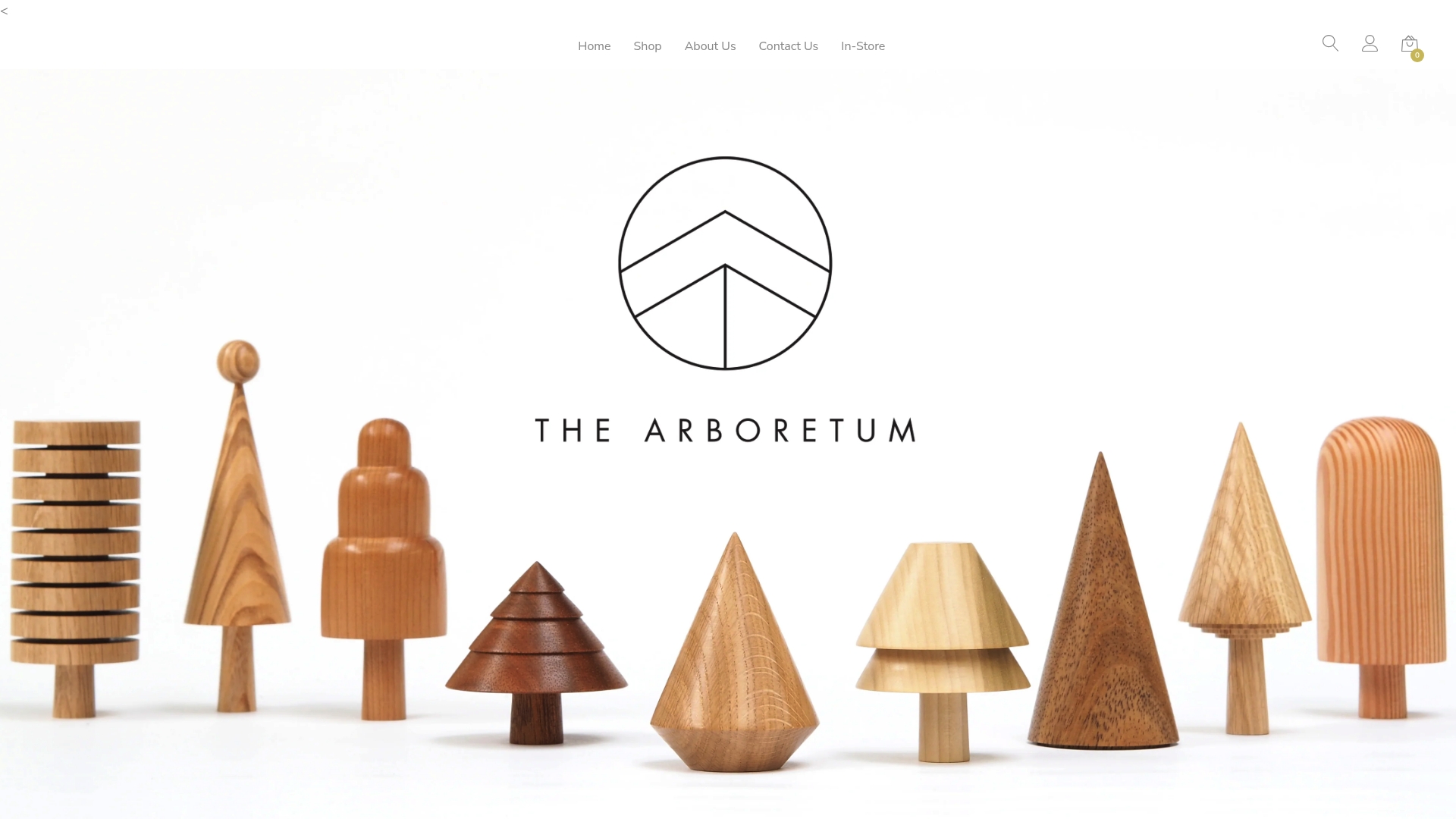
Every piece is handmade from hardwoods with the natural knots and textures left in place, so the tree that arrives is one of a kind.
FAQ
What does limited edition mean?
It means only a set number of copies are made. In the print world they are usually signed and numbered, and the certificate should state the total. The size of the edition varies widely, so check the number as well as the label.
What is an open edition?
An open edition has no fixed quantity, so it can be produced in any number and for as long as people want it. It is typically cheaper than a limited edition and is much less likely to rise in value. It is a good choice when you are buying for enjoyment.
Is a limited edition always worth more?
No. Smaller runs are more exclusive, and prices may rise if demand outstrips supply, but rarity, condition and the maker’s reputation also affect value. Any future increase is uncertain, so buy something you like first.
How can I tell whether a piece is a limited edition?
Look for a number such as 12/100, a signature, usually in pencil, and a certificate of authenticity giving the edition size. If the listing offers none of these and says nothing about quantity, ask the seller before you buy.
Does a handmade piece need an edition number?
Not in the same way. Edition numbers describe copies of one image. A handmade wooden piece is shaped from individual timber, so its natural knots and grain make it distinct without a number.
Follow Us On Social