

A collectible ornament is worth what a informed buyer will actually pay for it, and that comes down to six things: who made it, how scarce it is, what condition it is in, whether its history can be shown, how well it is made, and whether enough collectors want it right now. Rarity on its own does not set the price. Demand does the rest. This guide explains each factor in plain terms, shows how to check real sold prices in the UK, and covers what it means if you collect handmade wooden pieces rather than mass-produced ones.
TL;DR
- Value rests on maker, rarity, condition, provenance, craftsmanship and current demand. No single factor is enough alone.
- Scarce is not the same as valuable: an ornament needs enough motivated collectors competing for it.
- Condition and completeness (box, tags, no repairs) move prices more than most beginners expect.
- Use completed sales, not asking prices, and match maker, model, size and condition.
- Printed price guides are a snapshot, so treat them as a starting point and check recent sales.
Table of Contents
- The six factors in one table
- Maker: the name behind the piece
- Rarity: supply is only half of it
- Condition and completeness
- Provenance: proving where it came from
- Craftsmanship and materials
- How to check what an ornament is worth today
- Perspective: why we make for collectors
- Buying with value in mind
- Start a wooden collection
- FAQ
- Sources
The six factors in one table
| Factor | What it means | What to look for |
|---|---|---|
| Maker | Who produced it and how well known they are | Marks, signatures, labels, catalogue numbers |
| Rarity | How few exist or survive | Limited runs, discontinued lines, short production |
| Condition | Wear, damage, repairs | Chips, flaking, replaced hangers, fading |
| Provenance | The documented history | Receipts, family records, exhibition history |
| Craftsmanship | Materials and construction | Quality of wood, glass or metal, finish, detail |
| Demand | Who wants it today | Recent completed sales, set-completion interest |
Valuers in the UK list essentially the same ingredients. One UK guide to valuing antiques names maker or manufacturer, rarity, condition, provenance, quality and materials, and market demand. An auction house valuation note adds originality and recent comparable auction results to the list.
Maker: the name behind the piece
A recognised maker is the quickest route to a higher price, because collectors already know what to look for and trust the name. A known creator, studio or brand gives buyers confidence that the piece is what it claims to be.
Identification usually starts with the obvious clues. According to the same valuation guidance, maker’s marks, signatures, construction methods and specialist research can all support identification. On an ornament, look at the underside, the hanging loop, the cap, the box and any paper tag. Photograph each mark before you start searching.
For handmade work, the maker is often a small studio rather than a factory. That can be a strength: the story of who made it, from which wood and by what method, is part of what a later buyer is paying for. Keep that story with the piece.
Rarity: supply is only half of it
Many new collectors assume the scarcest item wins. It does not always. One collecting-knowledge site puts it well: rarity describes a supply limit, but value only arises when limited supply meets enough motivated demand. A common ornament can be expensive if a large collector base wants it, and a genuinely scarce one can be cheap if nobody is chasing it.
The same publisher lists what tends to drive that demand: cultural importance, nostalgia, a recognised creator, set completion, historical use, visual appeal or an established collecting tradition. Auction valuers say the same thing in other words: rarity alone is not enough, because there must be a market willing to compete for the object.

Practical test: search for the ornament and see how many people are actively buying it, not how few are listing it.
Limited runs and numbered editions
A stated production limit is useful evidence, but only if the number is genuinely small and the maker can be trusted to have kept to it. A numbered piece with its certificate or card is easier to value than an unnumbered one. Keep the paperwork together with the ornament.
Condition and completeness
Condition is where many ornaments lose value, because they are made to be hung, handled and packed away every year. A few points that matter:
- Flaws and repairs. For vintage Christmas decorations, one UK dealer checklist says a replaced hanger or other repair should be reflected in what you pay, and that some collectors accept interior flaking if the price allows for it.
- Chips and scratches. On crystal, auction specialists note that pieces without chips or scratches typically achieve higher prices.
- Box and tags. An item in its box or with its tags intact can add value.
- Cleaning. The same dealer checklist advises against abrasive polishes or solvents on painted glass and suggests asking a conservator about rare or valuable pieces.
The principle is simple: wear from age-appropriate use is normal, and sympathetic, reversible care is accepted. Heavy or hidden repairs are what put buyers off.
Wood needs its own care
Wooden ornaments age differently from glass. Dry air, damp, direct sunlight and harsh cleaners are the usual enemies. If you collect or give wooden pieces, our guide to cleaning, storing and protecting wooden ornaments covers the routine, and our note on testing before you clean wooden ornaments explains why a hidden-spot test comes first.
Provenance: proving where it came from
Provenance is the documented history of an object. The valuation guidance points to receipts, labels, family records and exhibition history as the kinds of evidence that support authenticity.
For ornaments, this can be as ordinary as the original purchase receipt, a dated catalogue page, a photograph of the piece on a tree in a particular year, or the maker’s own card. The habit of checking the background of a limited item before paying is common across collecting fields; this guide to collecting limited-edition pieces shows how the same authenticity questions apply to numbered releases.
A simple record helps whoever owns the ornament next:
- Photograph the front, back, base and any marks.
- Save the receipt or order confirmation.
- Note the year, the price paid and where it was bought.
- Keep any card, box or certificate in one labelled place.
Craftsmanship and materials
Quality of materials and construction is the factor that survives fashion. Quality and materials sit alongside maker and rarity in valuation guidance because they are what you can see and judge with your own eyes.
With wood, that means the species, the grain, how the piece has been cut and finished, and whether the natural character has been celebrated or hidden. Knots, figure and colour variation are not flaws in solid hardwood; they are what make each piece different. A mass-produced ornament repeats itself thousands of times. A handmade one does not.

How to check what an ornament is worth today
The most reliable method is comparison with real sales.
Use completed sales, not asking prices
Asking prices show what sellers hope for. Completed sales show what buyers paid. The UK valuing guide recommends comparing completed sales and matching the same maker, model, size and condition as closely as you can.
On eBay, the “Sold items” filter in a normal search shows sales from the last 90 days. That window is short, so repeat the search a few times over several weeks to see the range, not a single number.
Read auction estimates for what they are
An auction estimate is an opinion. One UK auctioneer’s catalogue states that estimates are not definitive and should not be relied on as an indication of a lot’s selling price, and that lots are sold as seen. Bidder competition and timing on the day can push a result above or below it.
Worked example
Say you own a numbered, boxed ornament and find five completed sales. Two are damaged, one lacks its box, and two match yours exactly. Ignore the first three for your headline figure, use the matching two as your range, and treat the others as a guide to how much a flaw costs. That is how a specialist works: compare with recent sales and weigh maker, date, materials and provenance.
Do printed price guides still help?
Printed guides such as the well-known Hallmark Keepsake value guides cover collections up to 2006 and were written as secondary-market references. They are useful for identifying a piece, dating it and learning what a collection includes. Because they are fixed in print, they cannot track today’s UK prices, so use them to identify and then confirm against completed sales.
Perspective: why we make for collectors
We started The Arboretum because so many decorations look identical from one shop to the next. A collector wants the opposite: a piece with a character you can point to.
That is why we work in hardwoods such as maple, walnut and oak, and why we leave the natural knots and textures visible. No two trees are the same, so no two collections are the same. Sustainable sourcing and careful craftsmanship are the heart of what we do, and we pack with the environment in mind.
Our view on value is simple. Rarity in a handmade piece comes from the wood and the maker’s hands, and demand comes from people who care about both. If you keep your pieces well, look after the finish and remember where each one came from, they carry a story worth passing on.
Josh
Buying with value in mind
If you are buying new pieces you hope will matter to a collector later, the same factors apply from day one.
- Choose a clear maker story. Buy from someone who can tell you the wood, the method and the thinking behind the design.
- Buy for the look first. Demand is unpredictable. A piece you enjoy every December has already earned its place.
- Keep it complete. Store the packaging and any card. Check our guide on packing and proof for wooden gift ornaments if you are giving one.
- Think about who will handle it. With young children around, look at child-friendly tree safety and what dull point designs mean.
- Hang with care. Heavier pieces need a strong branch; see how to hang heavy ornaments safely.
Start a wooden collection
Our handmade wooden trees come as single pieces, themed sets and custom designs, crafted from sustainably sourced maple, walnut and oak with the natural knots and textures left in. A Custom Single Tree is $28, and our Woodland set is $126, as published on our shop. Child-friendly versions have dull points and food-safe finishes.
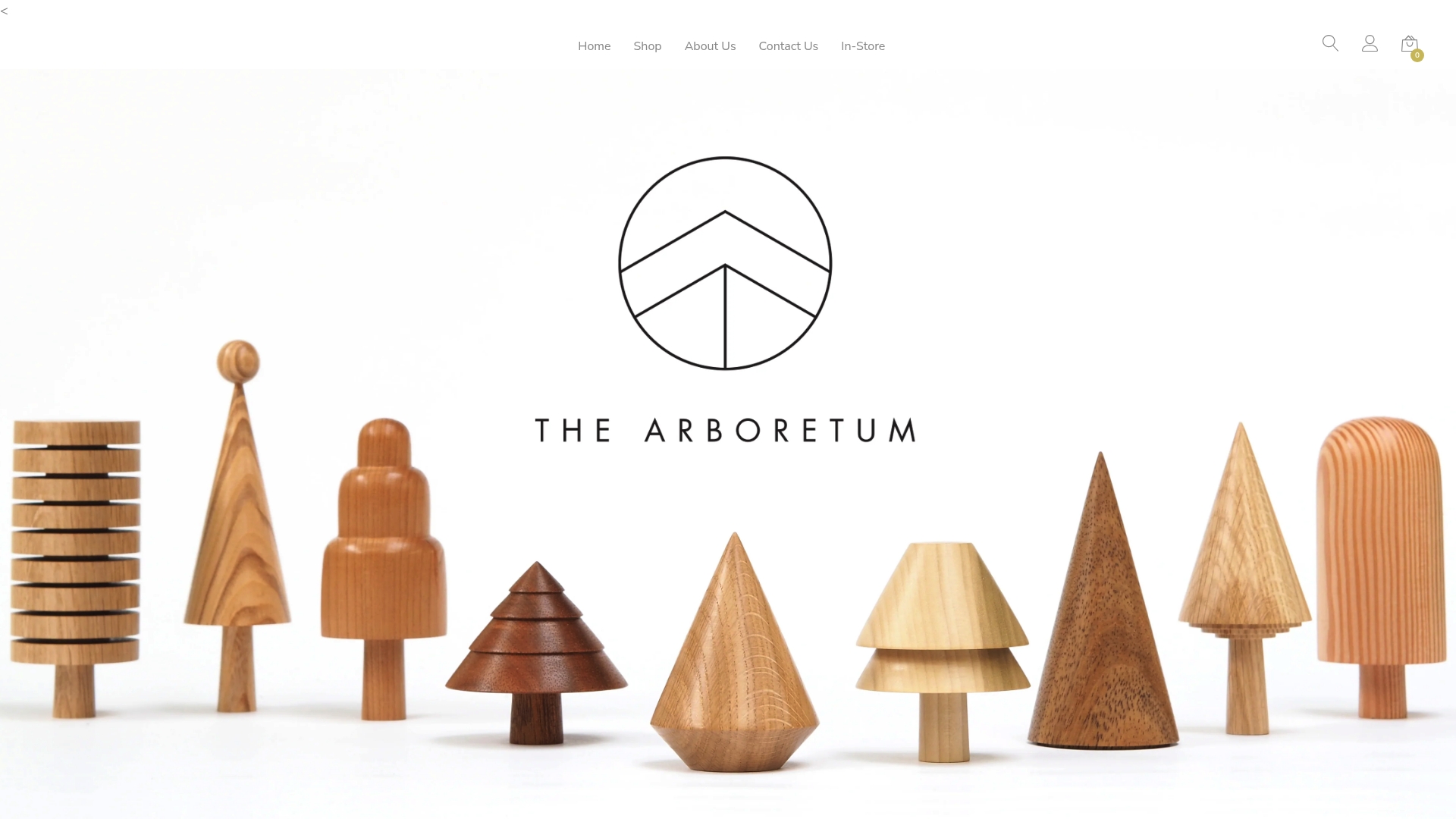
Browse the Woodland sets, the larger Forest sets or design your own in the custom collection. For a quick overview, start at our shop.
FAQ
What is the single biggest factor in an ornament’s value?
There is no single one. Maker, condition and rarity all matter, but each only counts when enough collectors want the piece. Demand is what turns a scarce object into a valuable one, so check recent sales before you trust any figure.
Does the original box really add value?
Usually, yes. A boxed item or one with its tags intact tends to be worth more than the same item without them, according to auction-platform guidance. Keep boxes, cards and receipts together.
Should I restore a damaged ornament before selling?
Be cautious. Sympathetic, reversible care is generally accepted, but heavy or hidden repairs can harm value and trust. For rare or valuable pieces, ask a conservator before cleaning or repairing anything, as one UK dealer’s checklist advises.
Are handmade wooden ornaments collectible?
They can be, for the same reasons as other ornaments: a clear maker, distinctive character, good materials and care. Natural knots and grain make each piece unique. Whether a particular piece rises in value depends on future demand, which nobody can promise.
Sources
- What Is My Antique Worth? A UK Guide to Valuing Antiques
- Antique Valuations
- Rarity vs Value in Collectibles
- Value Drivers in Collectibles
- Buying Vintage Christmas Decorations: A Seasonal Checklist
- Swarovski Crystal Value Guide
- An expert’s guide to determining the value of your items
- Landles auction catalogue, December 2023
- How to See Sold Items on eBay
Follow Us On Social